
 Back to all posts

Backlinks help a site in nine ways: better search visibility, more organic traffic, stronger third-party authority metrics, referral traffic, brand discovery (now including AI search), more useful relationships with publishers, faster discovery of new pages, stronger content marketing, and support that lasts. This page takes these backlink benefits one at a time, with the evidence behind them: what the search engines publish about links, what a US court wrote about PageRank in 2025, what dated studies measured on their samples, and what we do on an order so the benefit arrives. Where a figure comes from a dated study, we give the sample and the date alongside it.
How do backlinks help SEO?
The search engines' own pages describe how links are used. Google's guide to its ranking systems, last updated on 10 December 2025, lists link analysis systems and PageRank among the systems it uses. Bing's Webmaster Guidelines, read on 4 October 2026, state: "Strong internal and external linking supports discovery, authority evaluation, and grounding eligibility."
A third statement comes from a courtroom. The court's opinion in United States v. Google, filed on 2 September 2025, describes PageRank in these words: "a key quality signal is PageRank, which captures a web page’s quality and authoritativeness based on the frequency and importance of the links connecting to it." That sentence is the court's description, written into the remedies opinion, and not Google's own wording.
Those three sources frame the nine benefits below. One engine names link analysis among its ranking systems, another says linking supports discovery and authority evaluation, and the court record describes PageRank as a key quality signal built from links. The sections that follow take one benefit at a time. For a closer look at how authority moves through links, and what the phrase means, see our guide to link authority.
1. Better search visibility
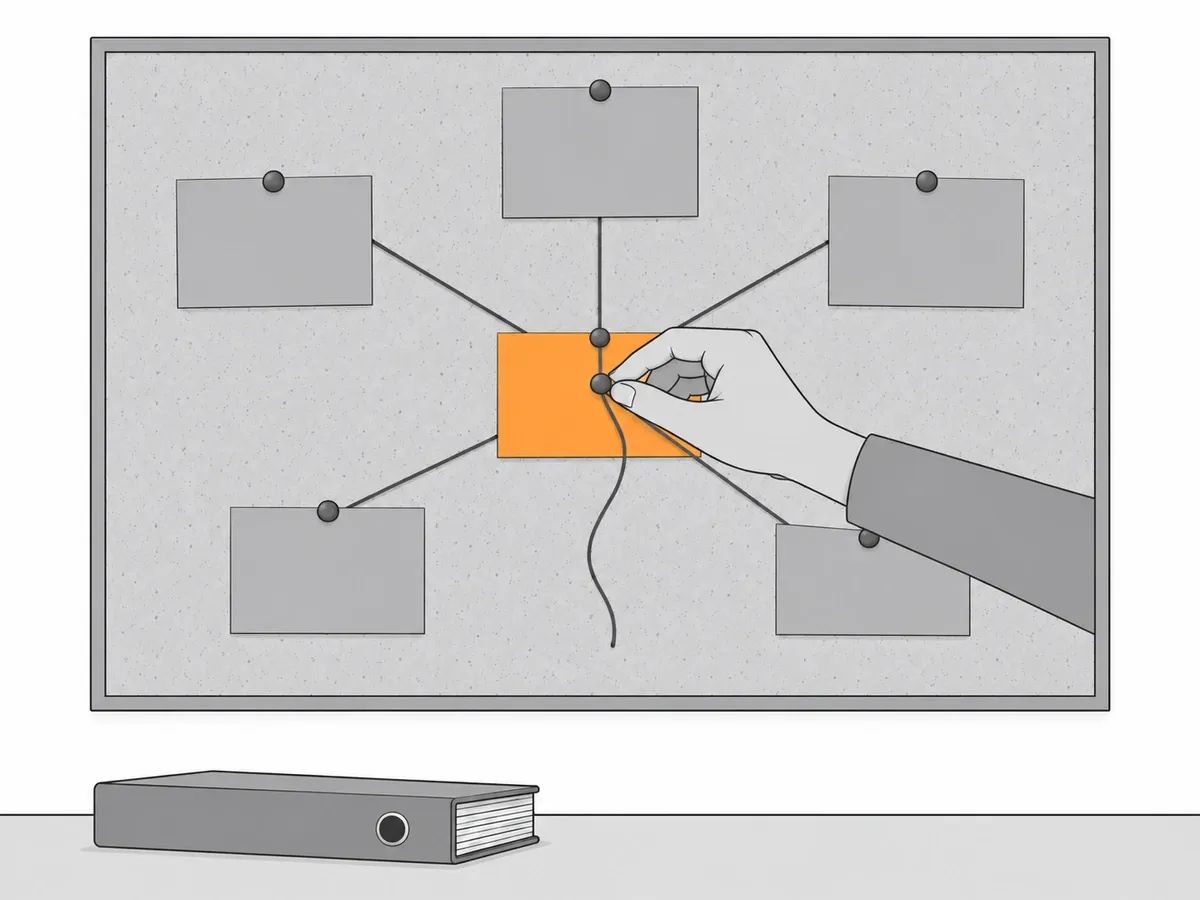
The 2025 court opinion in United States v. Google gives the plainest statement of why backlinks help search visibility: it describes PageRank, built from the links connecting to a page, as a key quality signal.
A dated measurement sits beside it. SEO Arcade's study of 8 September 2026 looked at 303 pages ranking in positions 1 to 20 across 46 Google results pages and found that referring-domain count correlated with rank within each results page, reporting: "ρ = −0.241, b = −0.220, p = 0.0079".
The minus sign is there because a better rank is a smaller number, so in that sample more referring domains went with a better position. It is a correlation across one sample of 46 results pages.
The figure comes from a wider study of anchor text, where referring-domain count was included as a control to check that the method could detect a real effect.
How many links a page needs is its own question, and the answer changes from query to query. We cover it in how many backlinks you need to rank.
2. More organic traffic
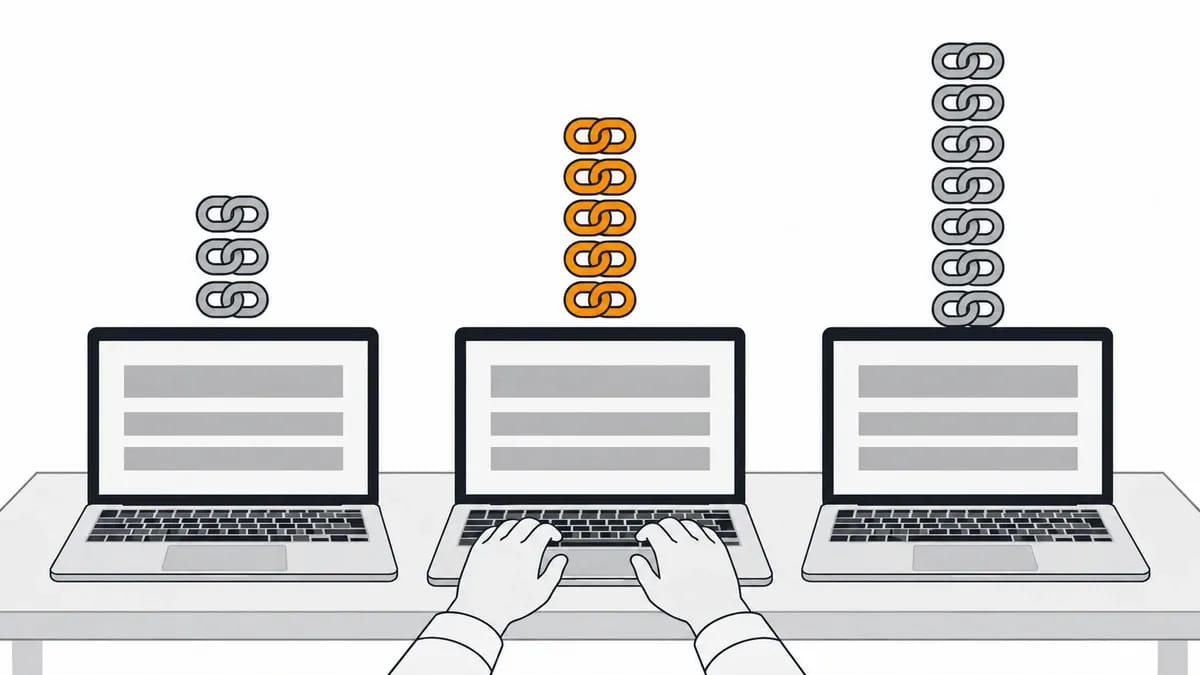
Digital Gratified's study of 29 March 2026 took 420 SaaS websites, each with a Domain Rating of 70 or more and at least 20,000 monthly organic visits, using Ahrefs data pulled in March 2026, and reported: "The Pearson correlation between log(referring domains) and log(organic traffic) across all 420 sites is r = 0.673."
In plain terms: within that sample of large SaaS sites, the sites with more referring domains tended to have more organic traffic. It is a correlation on large SaaS sites.
The practical line: point links at the pages you want found for a search, since visibility is earned page by page. A backlink profile that grows towards the pages that do the commercial work is the useful shape.
3. Stronger third-party authority metrics
Third-party tools read a site's links and turn them into scores. Moz's own guide states: "However, the quality and quantity of backlinks pointing to your site heavily influence your DA." Ahrefs' own guide to Domain Rating, dated 4 May 2022, says DR is calculated in a way similar to PageRank. Majestic's Trust Flow and Citation Flow are likewise built from links.
These are the tools' own scores, and they are how buyers, partners and publishers compare sites. When a placement, a partnership or a mention is being weighed, these numbers are the shorthand the other side sees. Because each score is built from the link data each tool crawls, earning links is how a site moves them. We wrote about how the two scores differ in Domain Authority and Domain Rating.
4. Referral traffic from relevant pages
A link is also a door a reader can walk through. Moz's guide puts it this way: "When a high-authority site links to your content, its audience can click through and visit your site, generating relevant traffic that could lead to conversions." That is the direct traffic benefit: the visitor arrives from the linking page, not from a search result.
Our part is placement. On our placements the link sits in the body copy, inside a sentence where it makes sense, and we never pass off sidebar, author-bio or sitewide links as placements. A reader who meets the link mid-article, next to the point it supports, has a reason to click. That visitor costs nothing per click and arrives with the context of the article around them.
5. Better brand discovery, including in AI search
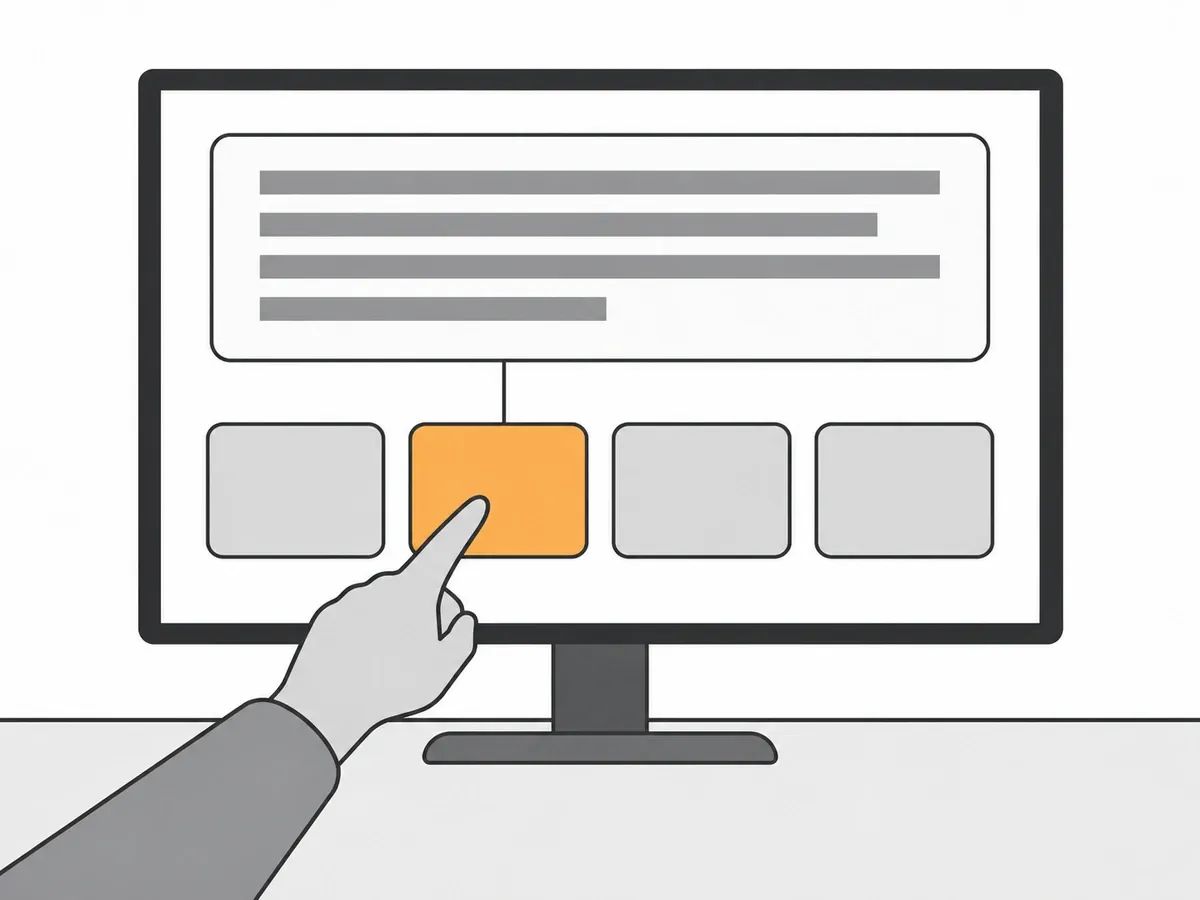
A mention with a link on a trade site or specialist blog puts a brand in front of readers before they search for it by name. That is discovery in its plainest form, and it still works. A reader who has met the brand once can recognise it later in a search result.
There is now a second place to be discovered: AI answers. SE Ranking's study of 24 November 2025 covered 129,000 domains and 216,524 pages across 20 niches and found: "Sites with over 32K referring domains are 3.5x more likely to be cited by ChatGPT than those with up to 200 referring domains." The same study reported that sites with up to 2,500 referring domains received 1.6 to 1.8 citations on average, while those with over 350,000 received 8.4.
This is one vendor's model of ChatGPT citations, built from a sample of 100,000 prompts, and it measures citations rather than search rankings. Read plainly, in that sample the domains with more referring domains were the ones ChatGPT cited more often. Mentions without links are their own subject, and we cover them in brand mentions.
6. More useful industry relationships
When we look for a placement, our team reviews existing webmaster relationships, analyses Google results and carries out quality checks to find relevant placements on real, independently owned websites. That is the day-to-day of our Curated Links work.
A first link with a publisher can open the way to later work together: a quote for an article, a collaboration, another mention. The benefit is the contact, not just the link.
7. Faster discovery of new pages
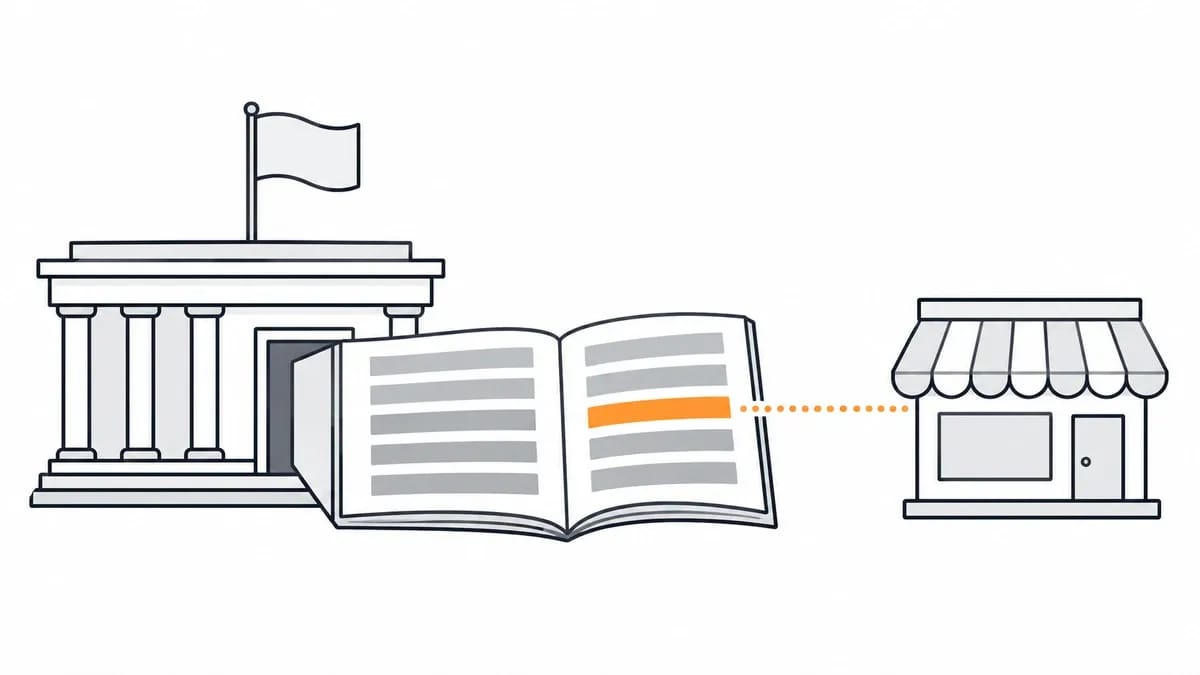
Both search engines name links as a way they find new pages. Google's guide to how Search works, last updated on 18 December 2025, says some pages are discovered when Google finds a link on a known page that points to a new one. Bing's Webmaster Guidelines list, among the ways Bing can discover URLs: "External links from relevant websites".
A page with no links at all waits for a crawler to find it some other way, while a page with a link from a page the engine already visits has a path in. Discovery comes first in the chain: a page that is found can be indexed, and a page that is indexed can rank. We walk through the full crawl and index path in how a search engine works.
Our part, from our own order process: we use two indexing services as standard for all clients, and between them we see roughly a 95% indexing rate. Because our links are placed on real sites owned by real people, the pages would most likely be indexed without a service, but that can take up to four weeks. There is more on this in getting backlinks indexed.
8. Stronger content marketing
The pages that earn links show what other writers are willing to cite: original data, clear definitions, practical examples, tools and expert commentary. That is feedback for what to publish next.
A page that picks up links is telling you the format works; a page that earns nothing is telling you something too. In that way a link profile doubles as an editorial review by the wider web. We wrote about building content with this in mind in content marketing for link building.
9. More durable SEO support
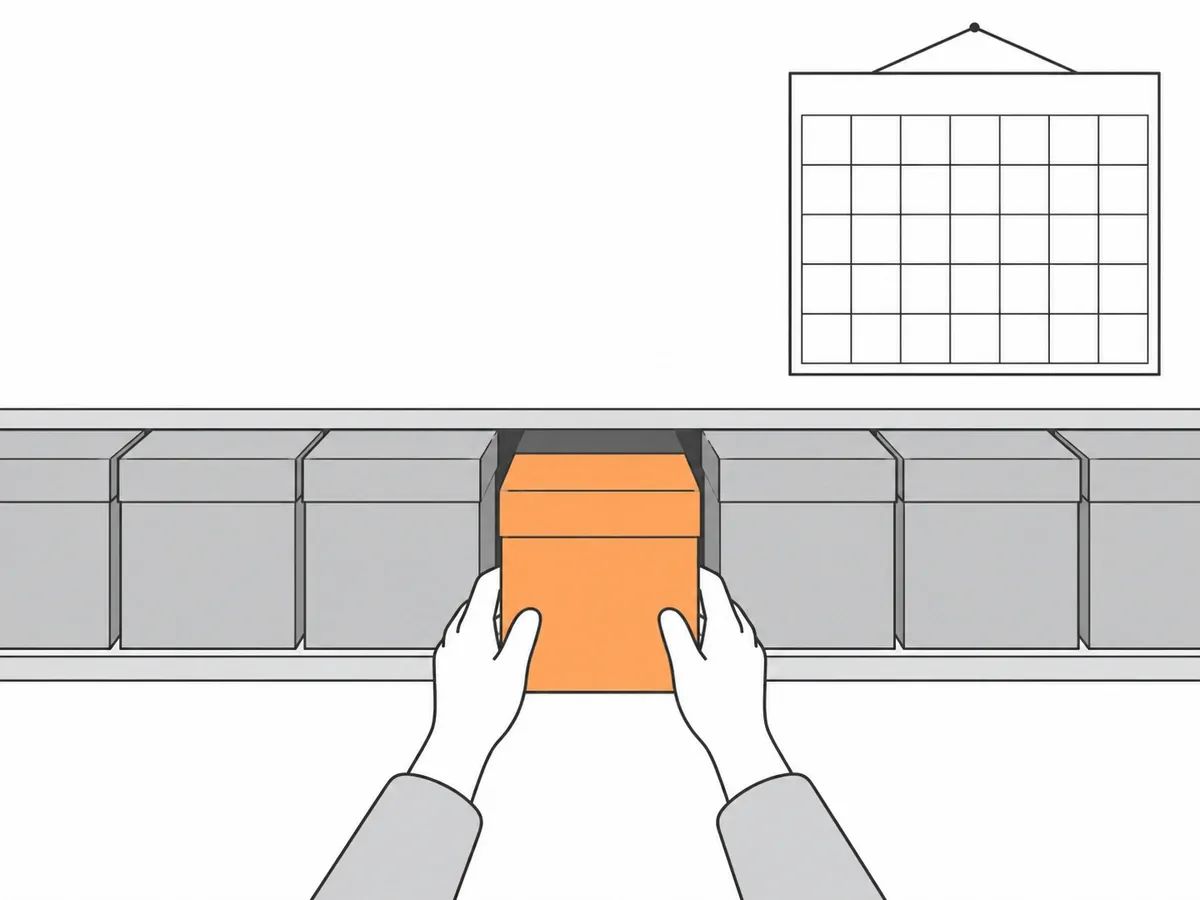
A link keeps working for as long as the page that carries it stays live. That is the difference from paid advertising, where the visits stop when the spend stops.
The link-loss and retention figures behind that, each with its sample and date, are in our link building statistics report.
How long pages last has been measured. Old Dominion University's web science group took 27.3 million URLs from the Internet Archive's Wayback Machine and reported on 20 September 2024: "By late 2021, 45% of our sampled URLs had died and for these URLs, we found a median lifespan of 2.3 years, with root URLs exhibiting a much longer lifespan (almost 9 years) than deep links (just over 1 year)." Root URLs, the homepages and top-level pages, lasted longer in that sample; deep links, the pages further down a site's structure, turned over faster.
That study measured web pages in general, not backlinks, and it says nothing about any one link on any one site. Our part: every delivered link carries 12-month replacement cover. Should a delivered link be removed, or its page taken down, within 12 months, we place a new one, like for like.
What we check before a link counts as delivered
Every benefit of a backlink arrives through a link that is live and a page that stays up, so our checks are built around that fact.
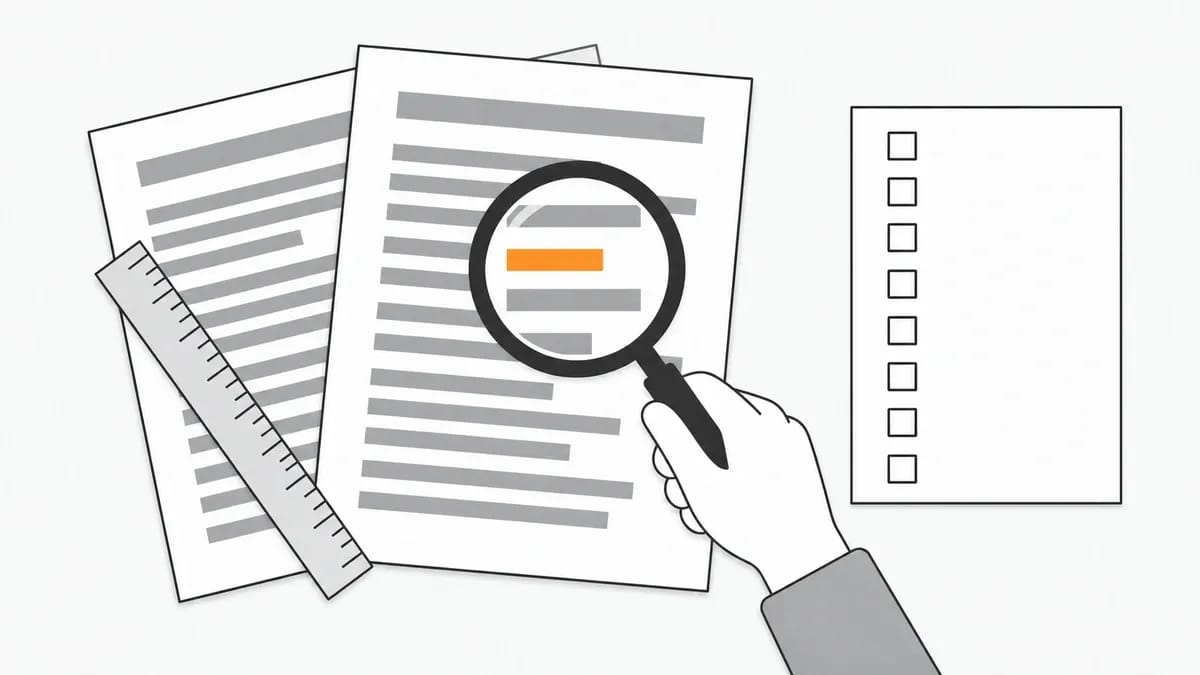
Every website we work with is vetted against six kinds of evidence: ownership and running, technical foundations, standing in search, authority and readership, track record, and editorial quality. Moz DA is cross-checked against Ahrefs DR, organic traffic and its trend, and referring domains. Any site that passes that vetting is opened, read and judged by a member of our in-house UK team before we approach it.
Before a placement goes out, we check the HTTP status code the client's target URL returns. After publication, our QA team opens the live page and checks four things: the page is live, the link is in the body copy, the anchor and target URL match the order, and the page can be indexed. Only then is the URL reported to the dashboard.
The vetting happens before we approach a site; the status-code check happens before the placement; the four checks happen after it. The full process is published on our site: our quality assurance process.
Our view: a benefit arrives from a link that is live and can be indexed, which is why that check comes last.
How an order delivers these benefits
On Curated Links we place a contextual dofollow link into an existing, already published article on a real site. The buyer supplies the anchor text and the target URL. Each live URL is reported to the dashboard, and the list can be exported as an unbranded file.
Every delivered link carries 12-month replacement cover. The unbranded file is there so an agency can pass the report to its own client. The buyer's own anchor and URL keep the order pointed at the page the buyer wants found.
Each part of an order ties back to a benefit of backlinks. An existing article is already published, which speaks to discovery. A link in body copy is the placement referral traffic needs. Replacement cover is what makes the support durable.
Frequently asked questions
What are backlinks?
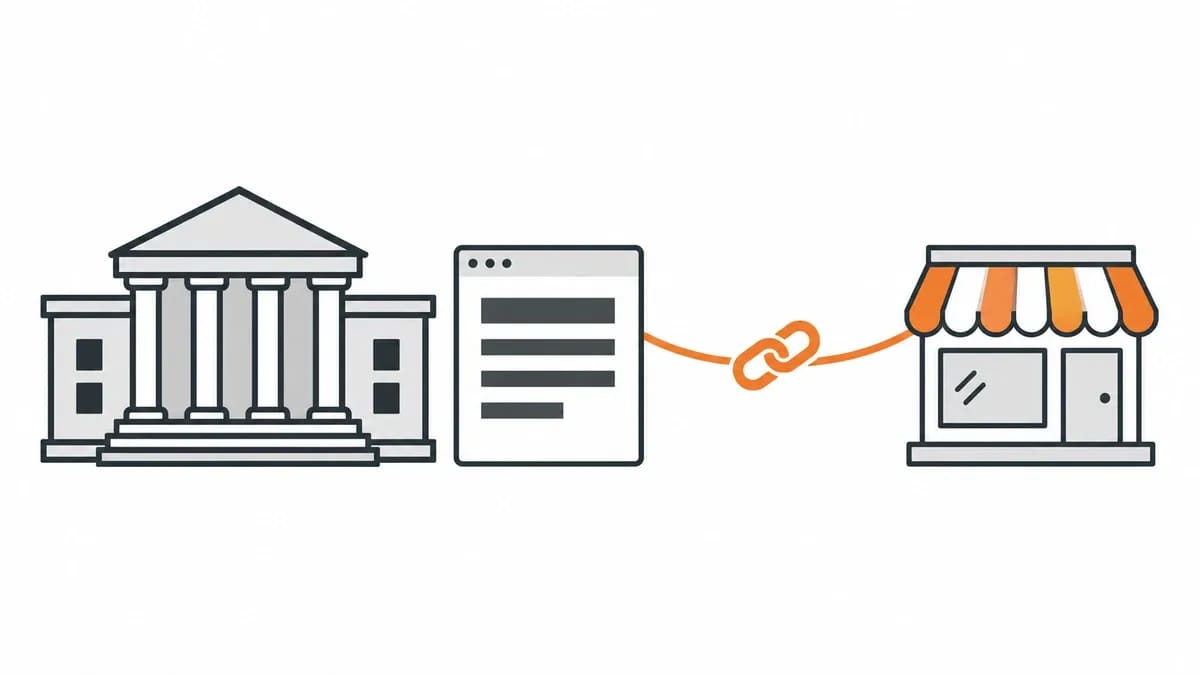
Backlinks are links from one website to another. Readers follow them to move between related pages, and search engines' own guides name links as a way they find new pages. This guide covers nine things a link can do for the site it points to.
What are the main benefits of backlinks?
The main benefits, or advantages, of backlinks are better search visibility, more organic traffic, stronger third-party authority metrics, referral traffic, brand discovery including in AI search, more useful industry relationships, faster discovery of new pages, stronger content marketing and more durable support.
Do backlinks still help SEO?
Yes. Backlinks are still important for SEO, and three sources describe how links are used: Google's ranking systems guide lists link analysis systems and PageRank among its systems, Bing's Webmaster Guidelines say linking supports discovery and authority evaluation, and the 2025 court opinion in United States v. Google describes PageRank as a key quality signal.
How does link building help SEO?
Link building earns links to your pages from other sites, so the benefits of link building are the benefits of backlinks. Both search engines name links as a way they find new pages, Bing ties linking to authority evaluation, and readers can click through to your pages.
Are paid backlinks worth it?
Whether a paid backlink is worth it comes down to the site the link sits on and the page it points to. That is why our work is publisher vetting, body-copy placement, a post-publication check of every live URL and 12-month replacement cover.
How many backlinks do I need?
There is no fixed number of backlinks a page needs. The answer turns on the pages competing for the same search: what they have earned, and how your page compares. The count question has a guide of its own on this site.
related Blog Posts

Join 7,000+ Clients Growing with Rhino Rank
Sign Up

Stay ahead of the SEO curve
Get the latest link building strategies, SEO tips and industry insights delivered straight to your inbox.