
 Back to all posts

To index backlinks is to get the pages your links sit on into a search engine's index. A backlink is on someone else's page, so the thing that gets crawled and indexed is that page, not your own site.
This guide to indexing backlinks covers what indexed means for a link, how to check whether a backlink is indexed, how long it takes in two dated samples, what gets a linking page crawled, what backlink indexer tools say they do, and what we check after a link is published.
What it means to index backlinks
A search engine finds a page by crawling it, then decides whether to keep that page in its index. Crawling is the fetching. Indexing is the keeping. The index is the stored set of pages the search engine can return in results.
Our guide to how a search engine works covers the steps from crawl to index. Backlink indexing, also called link indexing, is that same process for the page that carries your link. When people ask how to index backlinks, the page that needs indexing is the publisher's article or post where the link sits. Your own pages are a separate job, handled with your own tools.
A linking page is either not yet crawled, crawled but not in the index, or in the index. Not yet crawled means the search engine has not fetched the page. Crawled but not in the index means it fetched the page and chose not to keep it. In the index means the search engine has kept the page.
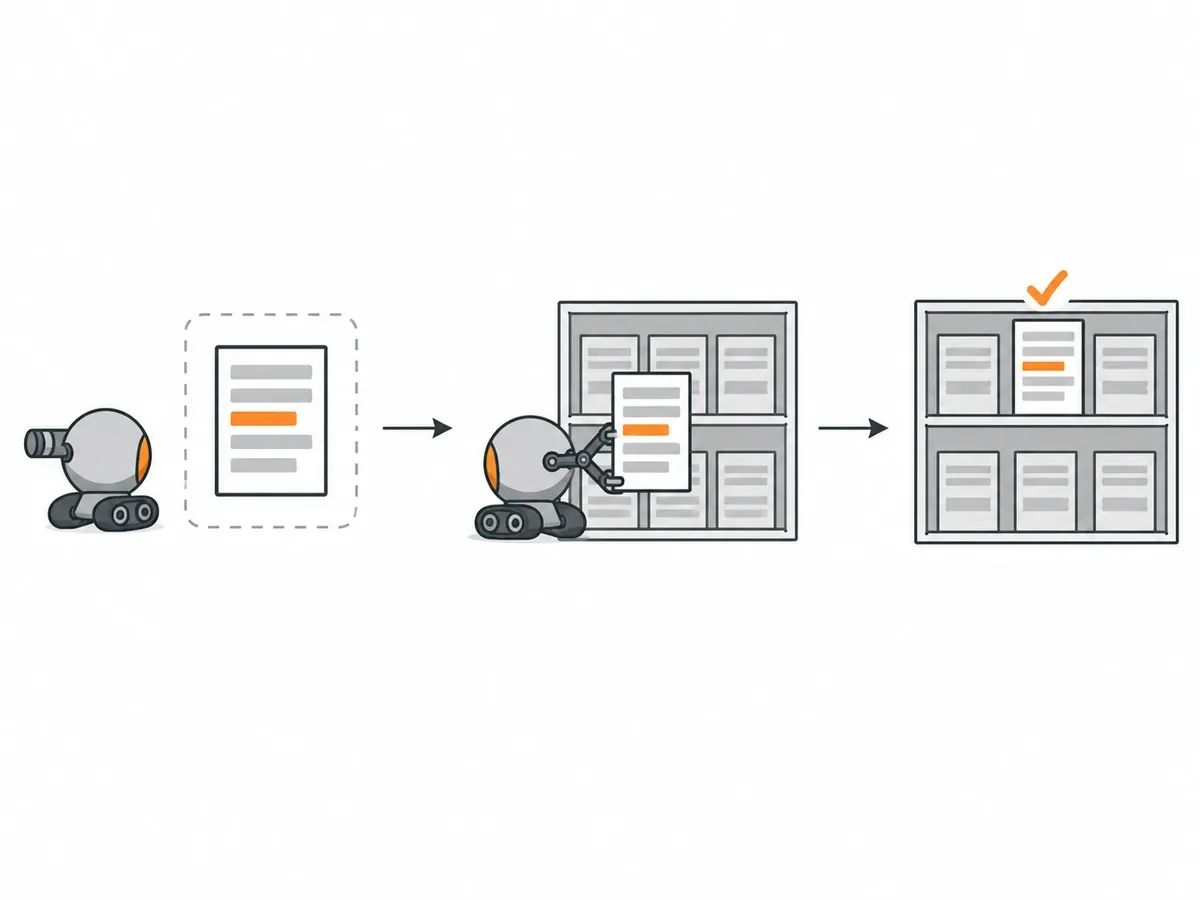
In our view, a link on a page that is not in the index has no path to count, which is why the page comes first. The links in a backlink profile are only as visible as the pages they sit on.
How to check whether a backlink is indexed
Checking a backlink means checking the page it sits on, not your own site. The steps:
- Take the exact URL of the page that carries your link.
- Search for that URL in the search engine, or run it through an index checker, a tool that tests whether a URL is in the index.
- Open the page and confirm your link is still in it.
- Note the date, and check again later before drawing a conclusion.
One tool does not apply here. Google Search Console's URL Inspection tool is for pages in your own property, so it does not work on a publisher's page. Google Search Central puts it directly: "You can't request indexing for URLs that you don't manage." The publisher, as the owner of the page, can inspect it.
One early check is not the last word either. Sai Krishna, founder and CEO of Superblog, whose crawl experiment on Superblog's own blog is linked in the next section, writes: "A 7-day check on this domain would have concluded, wrongly, that the pages were dead."
How long backlink indexing takes
Two dated samples give a public answer to the timing question. Each has its own limits, and neither is a figure for backlink pages alone, so read each one as what it is: a sample of pages on the web, with a date attached.
Superblog's crawl experiment, published 8 September 2026, followed nine posts on the company's own blog that had not been indexed. It reports: "Median time from publish to the crawl that indexed them was 15 days, with a range of 6 to 25." The sample, in the author's words: "n = 9 tracers, on a single domain at DR 64." The author, Sai Krishna, adds a limit: "Higher-authority, better-linked sites index much faster than this, so treat 15 days as one mid-authority domain's number and not a benchmark." These were the blog's own posts, not pages carrying backlinks.
The second sample comes from an index checking tool. IndexCheckr's analysis, on a page last updated 28 February 2025, states: "Pages take an average of 27.4 days to be indexed." The same page carries a caveat: "The analyzed pages may have been submitted or visible to Google for longer than the recorded data." That figure is an average across the pages the tool tracks, not a figure for backlink pages alone.
For a requested recrawl, Google Search Central gives this range: "Crawling can take anywhere from a few days to a few weeks." So the first check on a new link is a starting point, and the useful question is what helps the page get crawled. The separate question of how long link building takes to work has its own answer on our blog.
How to index backlinks: what gets the linking page crawled
You do not own the publisher's page, so you cannot submit it anywhere as its owner. Three things around that page help it get crawled: the links that point to it, the publisher's own files, and what the publisher does when asked.
Links from pages that are already crawled
Google Search Central describes how crawlers find pages: "Googlebot and other web crawlers crawl the web by accessing URLs found in previously crawled pages."
Shahid Ali, an indexing specialist, reported a first-hand observation on 16 September 2026: "On the slowest indexing job I have written up, a 118-day crawl-to-index cycle, the pages that finally moved were the ones that had picked up in-body links from frequently crawled pages, while sitemap resubmissions on their own moved nothing." That is one job he reports, and it describes links in the body of pages a crawler already visits.
For a backlink, those links can be the publisher's own internal links to the article that carries your link, or links to it from other pages a crawler already visits. The first case is in the publisher's hands: an article linked from a site's main pages is easier for a crawler to reach than one with no links to it. You cannot add those internal links yourself, but you can ask the publisher whether the article is linked from other pages on the site.
The second case is what a second tier is: tiered link building is the practice of building links to the page that links to you. How often a site is crawled also shapes how soon a new page on it is found, and that is a question of crawl budget.
The publisher's sitemap
A sitemap lists a site's URLs so search engines can discover them. For a backlink, the sitemap that matters is the publisher's file, not yours, and you have no say over whether the article is in it. Superblog's experiment recorded sitemap membership for its own posts while it waited for them to be indexed: "Sitemap membership did not accelerate it; every tracer was in a submitted sitemap the entire time".
IndexNow
IndexNow is a protocol that lets a site's owner tell participating search engines about new or changed URLs. The IndexNow site says the protocol "has support from Microsoft Bing, Naver, Seznam.cz, Yandex, Yep." It also states: "Search engines adopting the IndexNow protocol agree that submitted URLs will be automatically shared with all other participating search engines."
The submission is made by the site's owner, with a key file on the host that proves control of the domain. For a backlink, this is the publisher's lever, not yours.
Asking the publisher
Request indexing in Google Search Console is for the page's owner. Google Search Central states: "You must be an owner or full user of the Search Console property to be able to request indexing in the URL Inspection tool." So if a linking page stays out of the index, the practical step is to ask the publisher to inspect the page and request indexing. The same source notes that requesting it "multiple times for the same URL won't get it crawled any faster."
Backlink indexer tools: what they say they do
A backlinks indexer is a service that takes a list of URLs and tries to get them crawled. People use these services on pages that carry their backlinks.
What follows is what one vendor publishes on its own page, read on 3 October 2026. These are the vendor's own words and terms, not test results, and we have not verified them.
Rapid URL Indexer states a "91% average indexing rate".
One tool that checks indexing outcomes has published a dataset on what happens after submission to indexing tools. IndexCheckr writes: "To evaluate the effectiveness of this approach, we analyzed the success rate of indexing submissions for a dataset of 33,930 pages." The result: "Indexed after Submission: 9,965 pages (29.37%) successfully transitioned to an indexed state following submission." That is one vendor's dataset of pages that were not indexed before submission, on a page last updated 28 February 2025.
Whatever tool is used, the test is the same check as in the steps above: search for the linking page's URL some time later and see whether it is in the index.
What we check after a link is published
Before a placement goes out, we check the HTTP status code the target URL returns. The page your link points to has to be live and answering properly, with no dead pages and no redirect chains.
When we choose a publication, we look at indexed pages, organic traffic and its trend, Moz DA, Ahrefs DR and referring domains, weighed together.
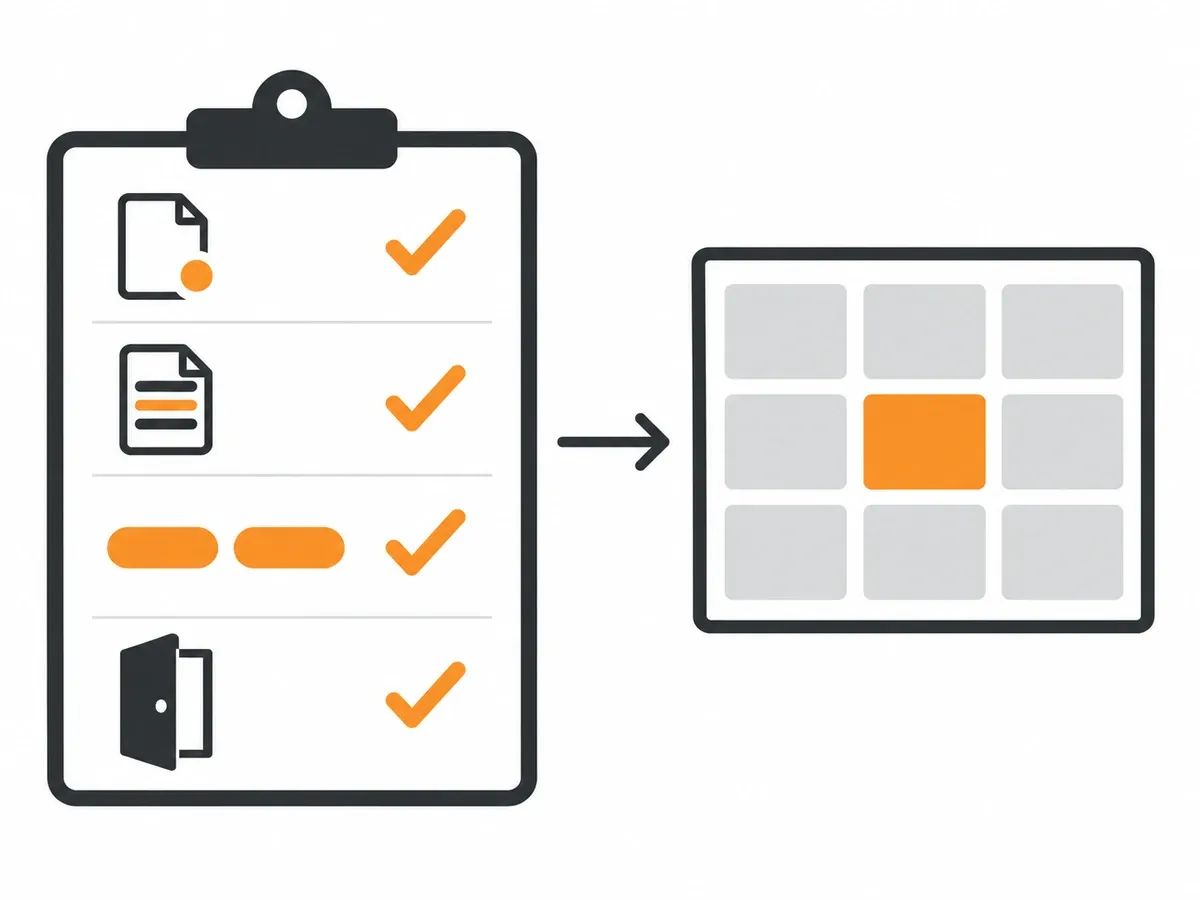
After publication, on a Rhino Rank Curated Links or Guest Posts order, we check that the page is live, that the link is in the body copy, that the anchor and target URL match the order, and that the page is indexable. Only then is the URL reported to the dashboard. Indexable means the page is open to being crawled and indexed. This sequence is the quality assurance we apply to every link we deliver.
We also use two indexing services as standard for all of our clients, and between them we see roughly a 95% indexing rate. Because we place links on real sites, owned by real people, those pages would most likely be indexed without a service. Left alone, though, that can take up to four weeks, and our clients are often keen to see results sooner.
A Curated Link is placed in an article that already exists, which is why the format is described as links placed in existing articles, or niche edits. Because the article already exists, it may already be crawled and indexed before the link goes in. A delivered link carries 12-month replacement cover if it is removed or its page is taken down.
In our view, the check on the page comes before anything else we report, because the page is what a search engine reads.
Frequently asked questions
What does it mean to index backlinks?
To index backlinks is to get the pages that carry your links into a search engine's index. The link sits on someone else's page, so that page is what gets crawled and indexed, not yours. In our view, a link only has a path to count once the page it sits on is in the index.
How do I check if a backlink is indexed?
Take the exact URL of the page that carries your link and search for that URL in the search engine, or run it through an index checker. Then open the page and confirm your link is still in it. Note the date and check again later before drawing a conclusion.
How long does it take for backlinks to be indexed?
Two dated samples give a public answer, and neither is a figure for backlink pages alone. An experiment published in September 2026 on nine posts on one blog reported a median of 15 days from publish to the crawl that indexed them. An index checking tool's page last updated in February 2025 reported an average of 27.4 days across the pages it tracks.
How can I get a backlink indexed?
The page's owner can request indexing in Google Search Console, so the practical step is to ask the publisher to inspect the page and request it. Links from pages that are already crawled help a crawler find the page. Those can be the publisher's internal links to the article, or links to it from other pages a crawler already visits.
What does a backlinks indexer do?
A backlinks indexer takes a list of URLs and tries to get them crawled. Vendors publish their own rates and terms on their own pages. Whatever you use, check the linking page's URL yourself afterwards to see whether it reached the index.
related Blog Posts


Join 7,000+ Clients Growing with Rhino Rank
Sign Up


Stay ahead of the SEO curve
Get the latest link building strategies, SEO tips and industry insights delivered straight to your inbox.