
 Back to all posts

Natural backlinks are links that sit in the body of a relevant page and read as part of the sentence, on a site real people visit. Natural links is the shorter name for the same thing. Nothing in that definition asks how the link got there, because you cannot see that from the page. What you can see is where the link sits, what the page is about and how the anchor reads, and those are the checks this page uses throughout.
This page covers five things in order. First, what makes a backlink natural, as three checks you can run on any link in front of you. Second, what a natural backlink profile looks like, with dated figures from a large sample of monitored links. Third, how to earn natural backlinks, with findings from one named study and one practitioner's report. Fourth, how to read your own links with three tools. Fifth, what a natural backlink service does, told first-hand, because placements are the work we do.
What are natural backlinks?
A natural backlink passes three checks, and you can run all three on the page itself:
- The link sits in the main content. It is part of the article or page copy, not parked in a footer, a sidebar or a navigation block that repeats on every page.
- The page is about the same subject as the page it links to. A link from a gardening article to a planting calendar fits. The same link from a page about car insurance would not.
- The anchor text reads as part of the sentence. Read the sentence aloud. If the linked phrase sounds like something the writer would have written anyway, it passes. If it sounds bolted on, it does not.
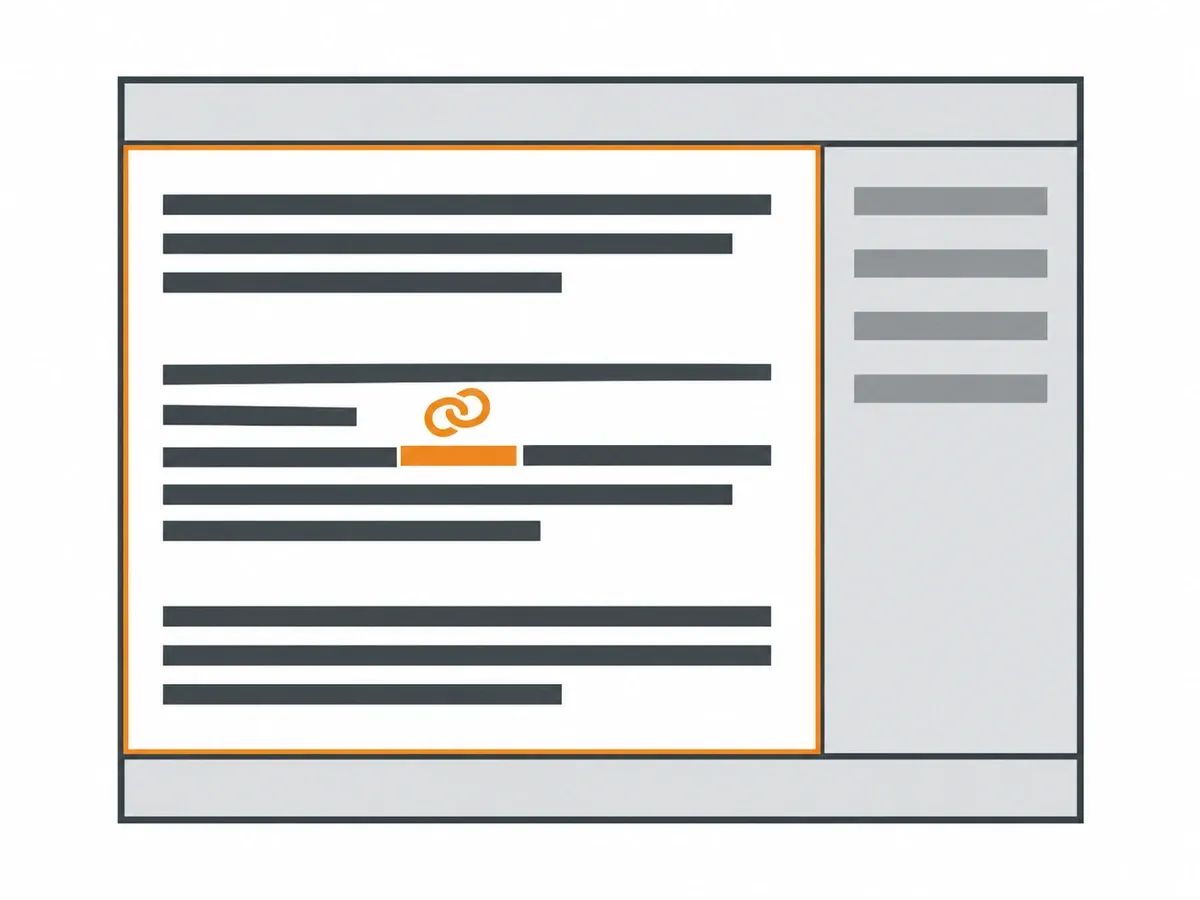
None of these checks needs a tool, a metric or any knowledge of the conversations behind the link. You judge what is on the page, because what is on the page is what every reader sees.
Here is a worked example. A page about allotment gardening links to a seed supplier's planting calendar. The link sits in the third paragraph, inside a sentence about when to sow tomatoes, and the anchor is "planting calendar". That link passes all three checks before anyone asks where it came from. Move the same link into the footer and it fails the first check. Put it on a page about mortgages and it fails the second. Change the anchor to "best cheap seeds UK" and it fails the third.
In a study published on 8 September 2026, Jeremy Rivera of SEO Arcade measured where links to pages that already rank are placed: "Across 233,845 classified backlinks pointing at pages that rank in the top twenty, 4.34% sit in nav, footer, header or sidebar." That figure is the classified links in one study of pages that already rank.
The third check is easiest to hear from someone who places links. Alok Kumar, writing on 9 August 2026, puts the test this way: "My priority is that the anchor reads naturally within the sentence." His check for a weak placement: "If the sentence looks as though it was rewritten purely to insert an SEO keyword, the placement probably needs improvement."
You will also see "organic backlinks" and "organic link building" used as names for the same thing. The wording changes from site to site; the idea does not. For the wider family of link types, our guide to the different types of backlinks shows how links are grouped by where they come from and how they are made.
What a natural backlink profile looks like
A natural backlink profile looks like many sites in your subject area linking to you in their own words. A backlink profile is the set of links pointing at your site, and the anchors are the clickable words of those links. Across a profile that has grown over time, four anchor types appear:
- Branded: the name of the site or company. If your company is called Example Cycles, the anchor is "Example Cycles".
- Partial match: a phrase that contains the subject words inside a longer, natural phrase, such as "this guide to natural link building".
- Generic: "this study", "here", "read more".
- Naked URL: the bare address of the page, such as www.example.com/price-guide.
The mix exists because different writers write differently. One names you, one describes the page, one pastes the address.
One dated sample gives a sense of the mix across a large set of links. On 16 June 2026, Linkody published figures from its own user base: "So we pulled the numbers from more than 865,000 real backlinks that our users actively track." On follow attributes: "In our sample, 77% are dofollow. The other 23% are nofollow." On anchors: "56% of anchors are keyword or phrase anchors. Just 18% are branded."
These are links that Linkody's users chose to monitor, so the shares describe that sample. They are not a target to copy.
What makes a backlink profile read naturally is simpler than any ratio. The links come from pages about your subject, and the anchors differ because different writers wrote them. The same goes for follow attributes. A nofollow link carries a small attribute in its code and a dofollow link does not, and both are ordinary links a reader can click. The mix of dofollow and nofollow links varies from site to site, because different sites set different defaults for the links they publish. And a profile is read as a whole, not link by link. One unusual anchor means little on its own; the pattern across many links is what you are looking at.
How to earn natural backlinks
Natural link building starts with something a writer needs and ends with the right writers seeing it. Writers link to material that helps them serve their readers: a figure that supports an argument, a guide that saves them explaining, a tool that saves them building. The natural link building techniques below all follow that pattern, and each named source speaks for its own sample only. None of it needs a big budget. It needs something true to say and a way to reach the people who would cite it.
Publish numbers other writers need
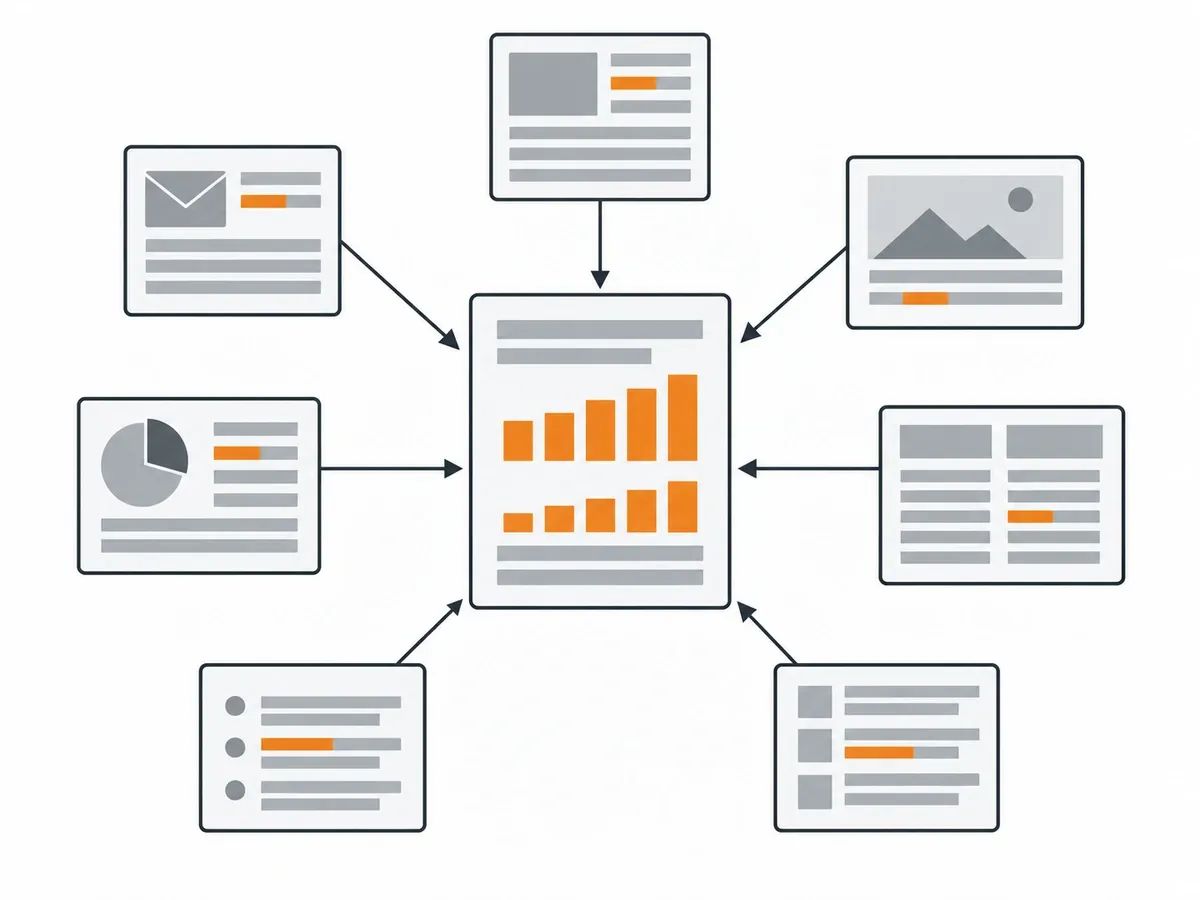
Writers cite numbers because numbers hold an argument up. A claim needs evidence behind it, and a page that states a clear figure is evidence another writer can point to. That is the thinking behind publishing statistics of your own.
One dated dataset comes from Foundation Marketing. On a page published on 9 April 2026, the author described the study's sample: "We analyzed 12,154 content pages across 24 leading B2B brands (including HubSpot, Salesforce, Atlassian, Shopify, McKinsey, Cloudflare) spanning 11 verticals and 2.4 million total referring domains." On which format earned the most referring domains relative to its share of pages: "Statistics pages earn 4.25x their proportional share of referring domains." On how far those pages reached: "42.1% of statistics pages in our dataset earn 1,000 or more referring domains. 84.2% reach 200 or more." And the author's account of why writers behave this way: "When they look for those statistics, they link to the best source they find."
That dataset is 24 leading B2B brands, and a small site's numbers will differ. The format, though, is open to any site. Count something in your own work that nobody else has counted: what your customers chose, what changed in your market, what a job costs in different places. Publish the figures on one page with the date and the sample stated, and the writers who cover your subject have something to cite. The sample can be small. A page that states what your own customers chose, dated and described plainly, is still a source nobody else has.
Run a survey of your own
A survey is the most direct way to create numbers nobody else has. You ask the questions, you collect the answers, and the figures exist only on your site.
One dated example comes from Matthew Proctor of Narrative Bent. Writing on 30 September 2026 about a report from his time running content and SEO in-house at a real estate tech company, he described the survey behind it: "The spring 2021 edition asked 1,378 agents about inventory, remote-work moves, and which upgrades buyers were paying up for." On what that report went on to earn: "I'm proud to say that that report earned 145 links from 104 different websites."
That is one report, not a rate. The shape of the approach is what carries over. Ask the people in your market questions they can answer, publish what they say with the sample stated, and give writers a source they cannot get anywhere else. Your customers, your members or your readers are all groups you can ask, as long as their answers would interest the people who write about your subject. Keep the questions specific: choices, prices and plans people can answer from their own experience.
Build assets worth citing
Research is one kind of asset, and there are others. Four types give writers a reason to link:
- Original research: surveys, studies and data analyses that produce a figure worth citing.
- In-depth guides: a page that covers its subject fully enough to become the reference a writer points readers to.
- Free tools: calculators, checkers and generators that readers bookmark and share.
- Visuals: charts and graphics that present information a writer wants to show their own readers.
What these have in common is that each one does a job for the writer. A guide saves them explaining. A tool saves them building. A chart saves them drawing. When you plan an asset, start from the writer's problem: what would save the people who cover your subject an hour of work? Our guide to linkable assets covers each type in more depth, and the skyscraper technique is one structured way to build a page that improves on what already ranks for a topic.
Put the asset in front of writers
A linkable asset still needs to be seen before it can be cited. Tell the people who write about your subject that it exists: journalists who cover your field, newsletter writers, and the authors of pages that already cite similar numbers. That last group is the warmest, because they have already shown they link to this kind of material. To build the list, search the subject your asset covers and note who has written about it lately. Those bylines, and the publications behind them, are the people to tell. Industry newsletters, podcasts and online communities in your field are other places those writers find material.
The note itself can be short. Say who you are, point at the figure or the tool, and let the asset do the persuading. A writer who finds it useful will cite it the next time the subject comes up. A writer who does not will not, and a longer email would not have changed that.
This is the work behind earning editorial links, and it pairs with everything above: the asset gives you something worth showing, and the showing turns it into citations. In our view, followed links from relevant, indexed, read publications are one of the strongest ranking levers, and our guide to what backlinks do for a site sets out why.
How to read your own backlinks
You do not have to guess what your own backlinks look like, and you do not need to take anyone's word for it. Three tools show you, each with a different cut of the same profile.
Google Search Console is the free starting point. Its Links report lists your top linking sites and your top linking text, so you can see who links to you and which words they use. Its help page says the report shows a sample of internal and external links, not every one, so treat it as a first look rather than the full picture.
Serpstat's Anchors report is built around anchors specifically. Its help page, dated 26 April 2026, states: "The Anchors report lists every unique anchor text used in links pointing to the analyzed site." It adds: "For each anchor it shows how many referring domains and backlink pages use it", and those counts are how you find your most-used anchors in the third step below.
Ahrefs answers the placement question. Its backlink reports include a filter defined as "backlinks in content - links that are found in the biggest piece of content on the page". That filter is one way to see which of your links pass the first check from the definition above.
Whichever tool you use, the reading is the same four steps:
- Export your anchors. Pull the full list into a spreadsheet so you can sort and count it.
- Group them into the four types above: branded, partial match, generic and naked URL. Each anchor goes in the group it fits best.
- Open the pages behind your most-used anchors. Look at the pages themselves, not just the rows in a report.
- Ask the three questions from the definition for each page. Is the link in the main content? Is the page about the same subject? Does the anchor read as part of the sentence?
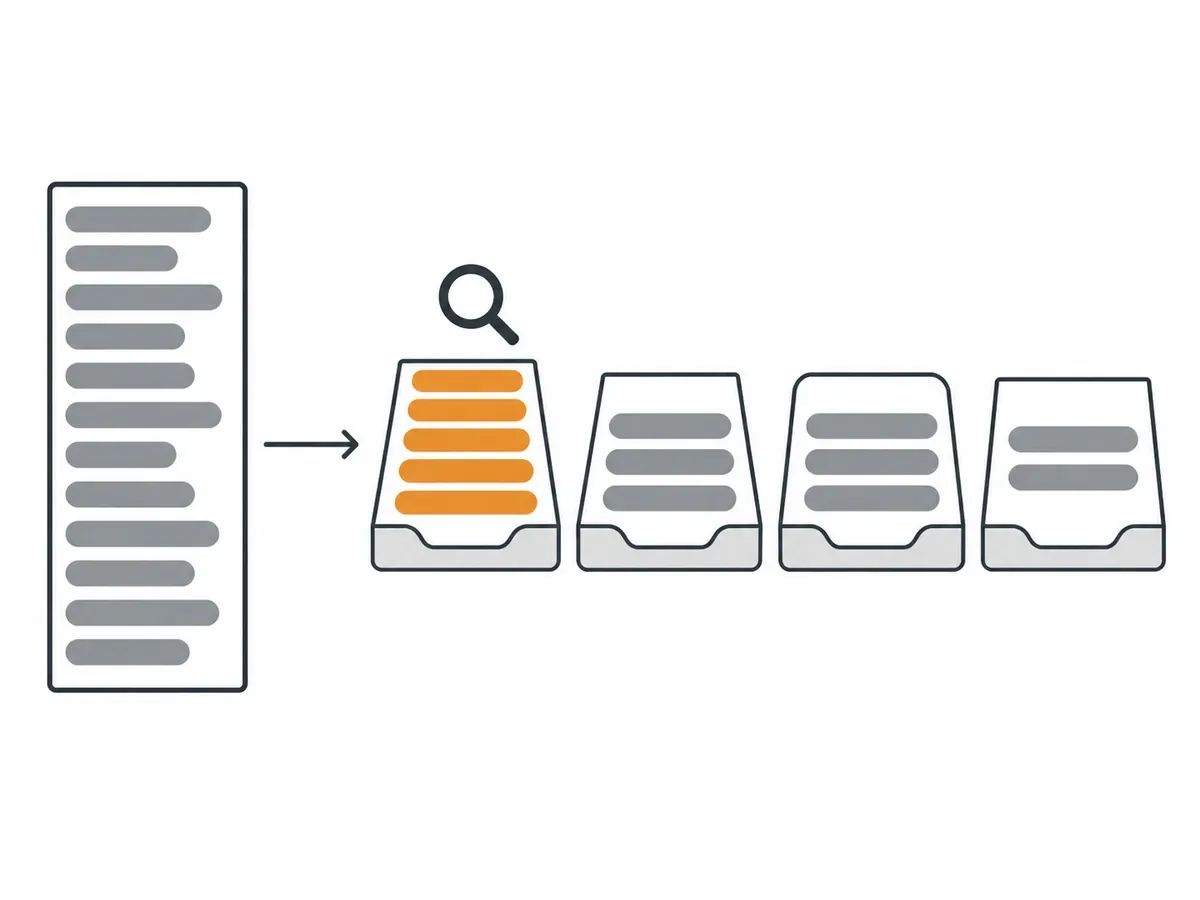
What the answers tell you depends on what you find. A profile heavy on one anchor type shows you how writers have been referencing you so far. Keep the spreadsheet. The next time you publish something substantial or place links, run the same export again and the change in your anchors is easy to see.
What a natural backlink service does
A natural backlink service does the placement work for you: it puts your link in the body of an article on a real site, so the test from the definition is met by where and how the link is placed. A natural link building service is the same thing under another name.
We place links on real sites owned by real people. The buyer supplies the anchor text and the target URL, and branded and partial anchors are often the most suitable, because they sit naturally in a sentence. A Rhino Rank Curated Link goes into an article that already exists on the publication, a format known as a niche edit. A Guest Post is a new article written for the publication, with your link inside it. Both put the link in the body copy of a real publication, which is the placement the definition describes.
Vetting happens before anything is placed. When we look at a publication we weigh indexed pages, organic traffic and its trend, Moz DA, Ahrefs DR and referring domains together, not any one number on its own. We turn away sites whose metrics look impressive but whose traffic does not hold up, because a link on a page nobody visits helps no reader.
The checks continue around the placement itself. Before a placement goes out we check the HTTP status code your target URL returns, so the link does not go out pointing at a dead page or a redirect chain. After publication we check the page is live, the link is in the body copy, the anchor and target URL match the order and the page is indexable. Only then is the URL reported to the dashboard. That post-publication check is part of the quality assurance behind every link we deliver, and a delivered link carries 12-month replacement cover. Every live URL appears in your dashboard, so you can run the same three checks on our work that you run on anyone else's.
Prices, as read on our product pages on 3 October 2026: Curated Links from $60 per link, Guest Posts from $75, and the Managed Service from $250 per month, with no contracts. The full tiers are in our guide to link building cost.
In our view, a link reads naturally when the sentence needs it and the page is about the same thing. That is the standard we place to, and it is the same standard you can apply to every link you already have. If you are weighing up providers, our notes on the best link building services set out what to compare.
Frequently asked questions
What is a natural backlink?
A natural backlink is a link that sits in the main content of a page about the same subject as the page it points to, with anchor text that reads as part of the sentence. The site it sits on is one real people visit. You can check all three parts by looking at the page.
How do I get natural backlinks?
Publish something other writers want to cite, such as original numbers from a survey or a study of your own. Then tell the people who write about your subject that it exists: journalists, newsletter writers and the authors of pages that already cite similar figures. The asset earns the citation, and the telling makes sure it gets seen.
What does a natural backlink profile look like?
The links sit in the main content of pages about your subject, and the anchors vary because different writers wrote them: some branded, some partial phrases, some generic, some the bare address of the page. No share of any anchor type is a target to copy.
Can a link building service build natural backlinks?
Yes. What makes a link natural is where it sits and how it reads, and a placed link can meet that test. We place links in the body of articles on real sites, and after publication we check the page is live, the link is in the body copy and the anchor and target URL match the order.
What is the difference between natural backlinks and organic backlinks?
They are two names for the same thing. Both describe a link that sits in the body of a relevant page and reads as part of the sentence.
related Blog Posts



Join 7,000+ Clients Growing with Rhino Rank
Sign Up


Stay ahead of the SEO curve
Get the latest link building strategies, SEO tips and industry insights delivered straight to your inbox.